Can Antarctica remain a refuge for science and peace?
William Brangham:
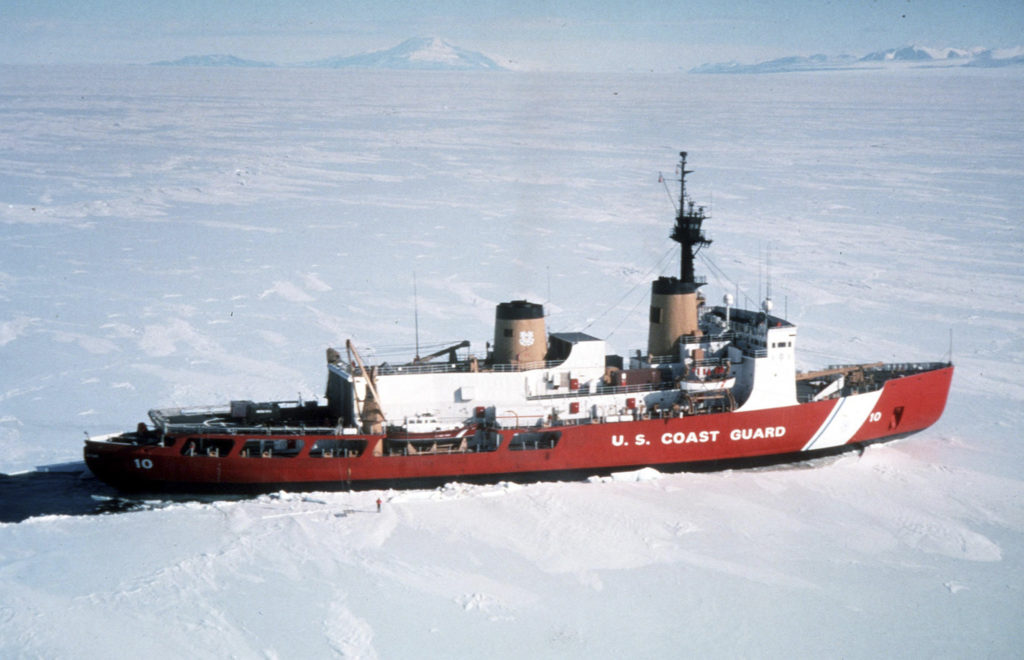
While science was driving a new age of exploration, by the late 1950s, there were growing concerns that the ice-covered continent would one day be exploited or colonized by the world's powers.
So, in the 1960s, at the height of the Cold War, 12 nations, including the U.S. and the Soviet Union, hammered out a dramatic breakthrough, the signing of the Antarctic Treaty.
The treaty says that Antarctica has to remain exclusively peaceful. That means no military exercises, no nuclear testing, no nuclear dumping. It also says that scientists can come here and conduct research wherever they want, regardless of other countries' claims, and that the findings of their work have to be shared publicly.
ncG1vNJzZmivp6x7sa7SZ6arn1%2Bjsri%2Fx6isq2ejnby4e8KapWaZnqmus6%2FTopqaZaKauqK1zWaYZqqVm8KosYyfpqtlo5i2prrCnmSappRivaatwp4%3D